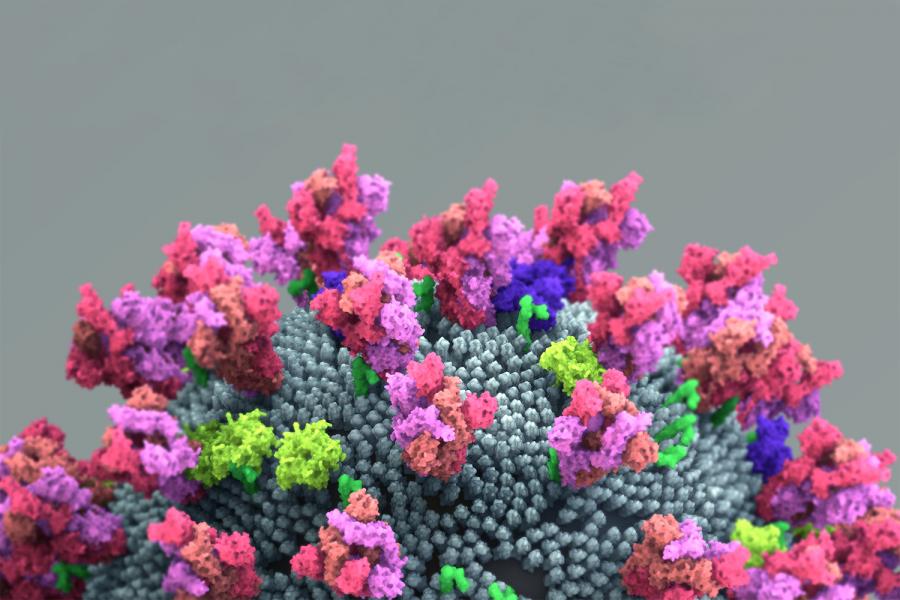
Division of Infectious Diseases & Immunology

At NYU Langone Health’s Division of Infectious Diseases and Immunology, our mission is to be a local and global center of excellence in patient care, education and training, research, and leadership within the field.
Our experts provide outstanding care to patients and offer comprehensive clinical and research training in infectious diseases and immunology to fellows, residents, and medical students. We also advance research in basic science, clinical studies and clinical trials, epidemiology, health services, and issues such as vaccine hesitancy.
Led by director Mark J. Mulligan, MD, the Thomas S. Murphy Sr. Professor in the Department of Medicine, professor in the Department of Microbiology, and director of NYU Langone’s Vaccine Center, our division includes a dynamic group of faculty. We launched the Vaccine Center in 2018 with the goal of preventing the spread of diseases by merging vaccine research with basic science, clinical studies, and public health outreach.
Our faculty’s award-winning physician–educators and physician–scientists provide clinical services in different locations at NYU Langone. Our five inpatient locations in Manhattan and Brooklyn are Tisch Hospital, Kimmel Pavilion, NYU Langone Orthopedic Hospital, Hassenfeld Children’s Hospital at NYU Langone, and NYU Langone Hospital—Brooklyn. We are also affiliated with NYC Health + Hospitals/Bellevue and the VA NY Harbor Healthcare System. This helps us provide an unparalleled breadth and depth of clinical and research experiences to our trainees and junior faculty.
Through our work to research, prevent, and treat infectious diseases, allergies, and immunologic disorders, we aim to protect and restore the health of our patients and communities.
Equity Working Group
Part of the Division of Infectious Diseases and Immunology and the Division of Pediatric Infectious Diseases, is our Equity Working Group that was formed in 2020 in response to the urgent need for healthcare providers to fight against systemic racism. We support diversity and inclusion for our faculty, trainees, students, and staff of all races, ethnicities, religions, nationalities, sexual orientations, and gender identities.
The Equity Working Group aims to:
- lead our division’s efforts to establish an inclusive anti-racist, pro-justice, pro-dignity learning and working environment
- promote equitable and compassionate patient care and inclusive research practices
- provide education that leads to the development and implementation of equity-related knowledge
- guide our division’s efforts in hiring, promoting, sponsoring, and mentoring equitably
Infectious Diseases and Immunology Fellowship

Clinical Services

Research

Vaccine Center

Related News
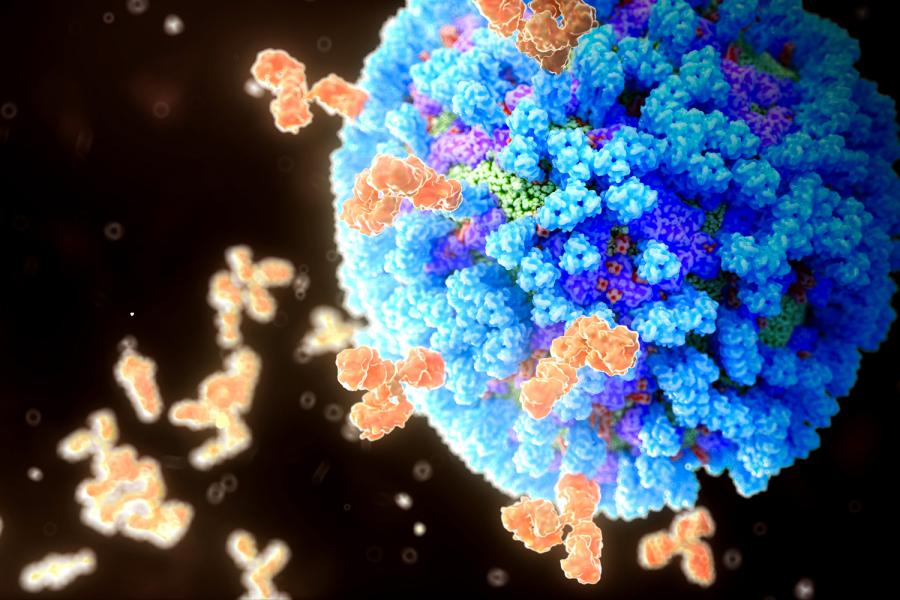
Study Suggests New Way to Prevent Spread of Flu

Smaller Doses of Mpox Vaccine Trigger Immune Response

NYU Langone Faculty Elected to National Academy of Medicine
Discovery May Help Gauge Efficacy of Future Cancer Vaccines
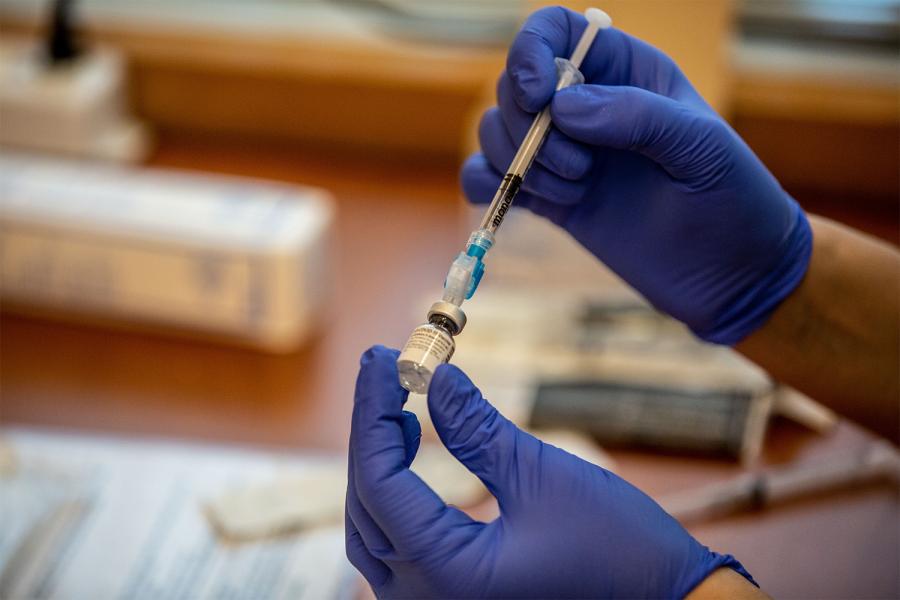
COVID Vaccine Researcher Speaks Out About Getting Vaccinated

Vaccinate Kids Against COVID-19
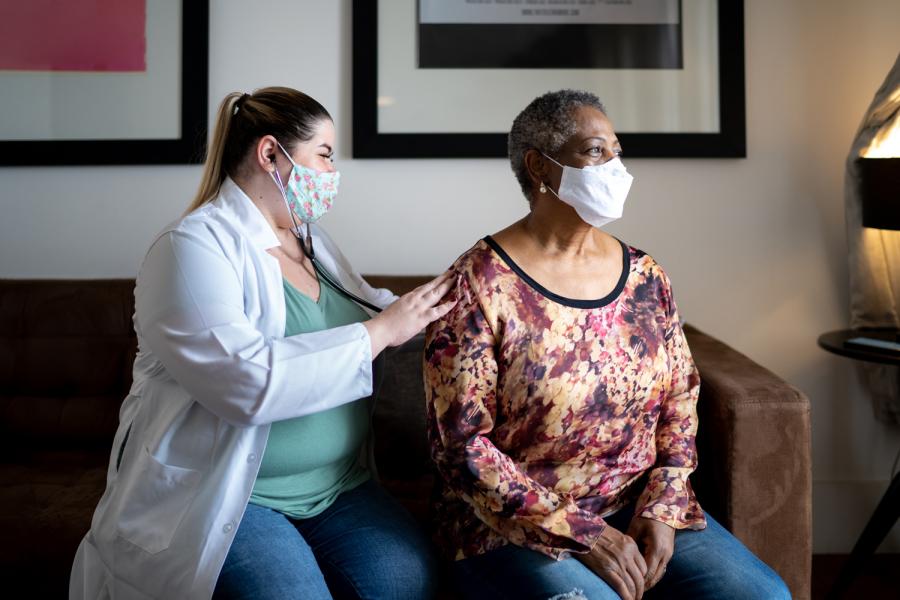
COVID-19 Vaccine Side Effects: Here’s What to Expect
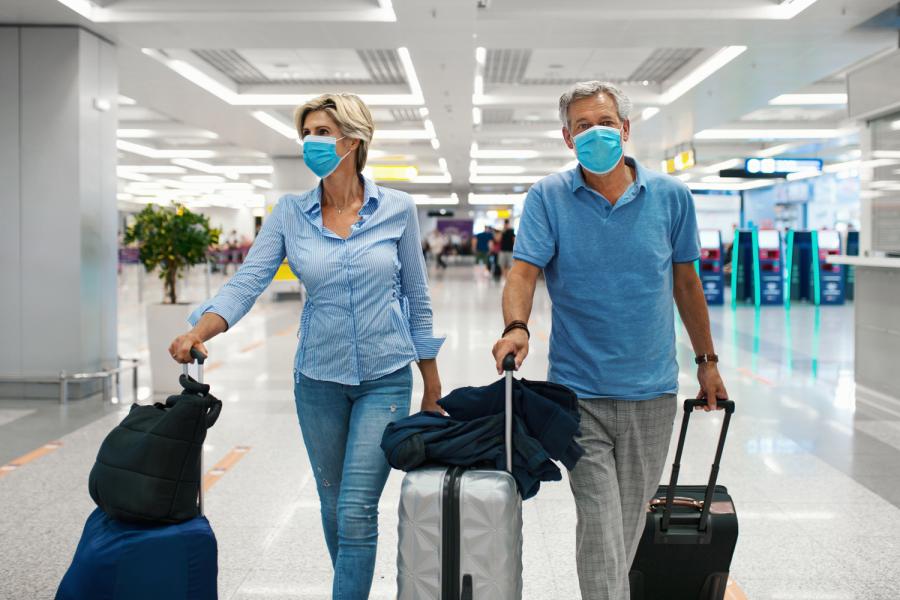
Tips on How to Travel Safely After Getting Vaccinated

NYU Langone Hospital—Brooklyn Recognizes Remarkable Women
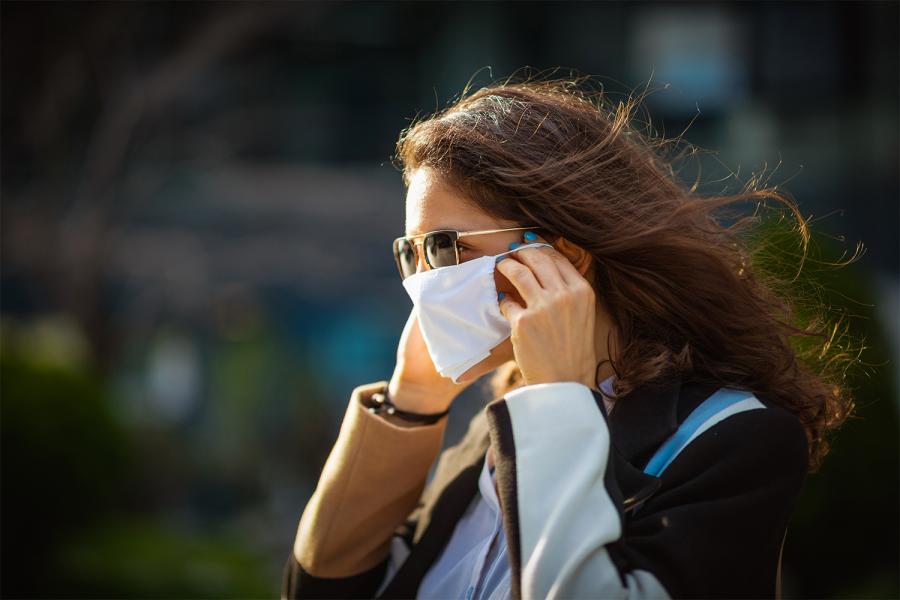
How to Manage Seasonal Allergies During the Pandemic
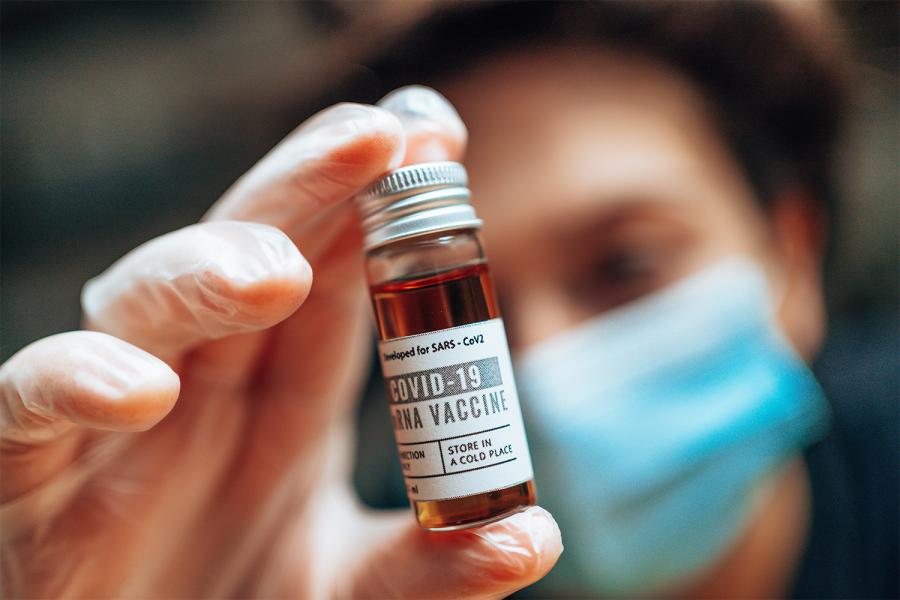
People Who Had COVID-19 May Require One Dose of mRNA Vaccine