![]() |
![]() |
![]() |
What is HIV and AIDS?
How do I know if I am HIV positive?
Am I at risk for HIV?
How can I stay safe?
I am pregnant. If I have HIV, can I give it to my
unborn baby?
How is HIV treated in women?
What clinical trials are available for women with
HIV?
Are there specific symptoms that women have,
that men do not?
The number of women with human immunodeficiency virus
(HIV) infection and AIDS has been increasing steadily
worldwide. As of December 2000, according to the World
Health Organization (WHO), 16.4 million women were living
with HIV/AIDS worldwide, accounting for 47 percent of
the 34.7 million adults living with HIV/AIDS. As of
June 2000, 124,911 adolescent and adult women in the
United States were reported as having AIDS. The proportion
of reported U.S. AIDS cases occurring among women increased
from 7 percent to 23 percent from 1985 to 1999.
Some countries have achieved nearly 60% coverage of HIV-positive pregnant women receiving antiretroviral prophylaxis to prevent mother-to-child transmission.
More than 340 million people contract a curable sexually transmitted infection each year, with women having greater vulnerability to infectionthan men. Despite the fact that untreated sexually transmitted infections increase the risk of HIV transmission by several orders of magnitude, coordination of diagnosis and treatment of sexually transmitted infections and HIV remains very low.6
According the U.S. Centers for Disease Control and Prevention (CDCP), "women account for more than one quarter of all new HIV/AIDS diagnoses. Women of color are especially affected by HIV infection and AIDS. In 2002 (the most recent year for which data are available), HIV infection was
In the same year, HIV infection was the 5th leading cause of death among all women aged 35-44 years and the 6th leading cause of death among all women aged 25-34 years. The only diseases causing more deaths of women were cancer and heart disease.1
The CDCP also reports the following data for 2004:
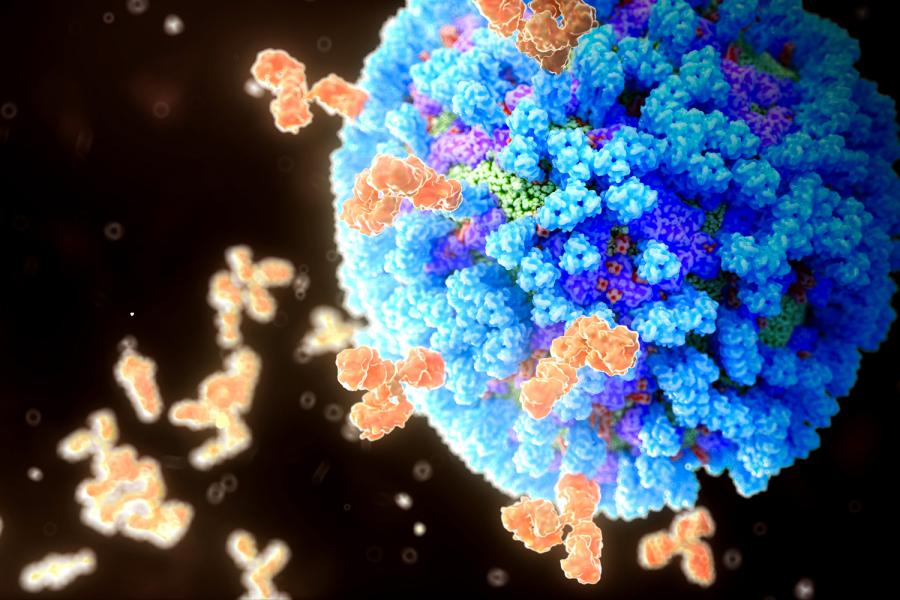
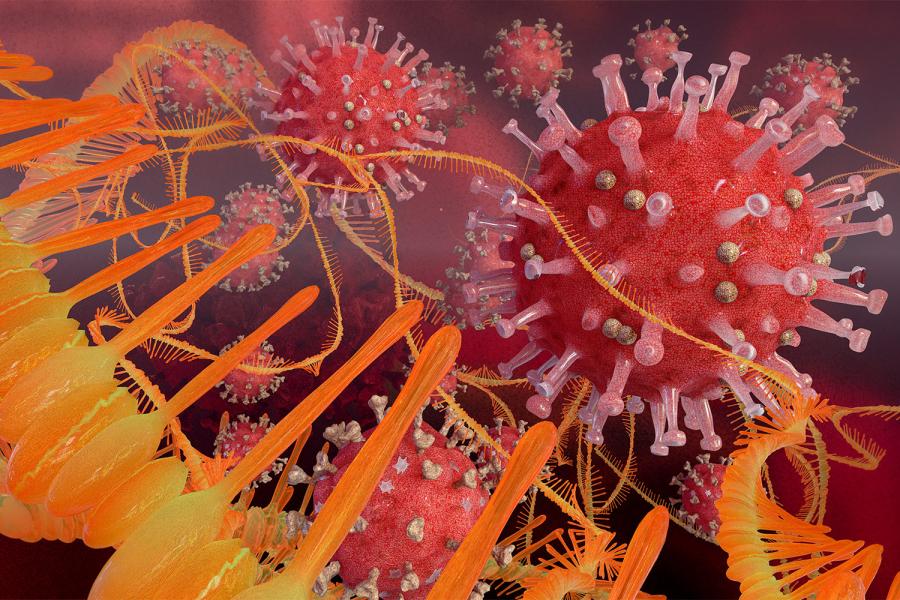
HIV stands for Human Immunodeficiency Virus. It is the virus that causes AIDS. AIDS is defined as being HIV positive, and having either 1, T cells lower than 200, or 2, certain types of opportunistic infections, such as PCP or Tuberculosis. An infection is called “ Opportunistic” because it takes advantage HIV-positive person's weakened (compromised) immune system that is too weak to fight off infection. People infected with HIV can remain healthy for years. However, studies show that certain treatments, including early intervention when you are first infected, can help lengthen the time to progression to AIDS and improve the quality of life for a person with HIV.
How do I know if I am HIV-positive?
The best way to find out if you are HIV positive is to get an HIV antibody test. There are sites that provide confidential testing (see our links section for a local testing site). Early detection of HIV is the best intervention for treatment and long lasting health.
Some women may have symptoms after a recent exposure to HIV that may include: low-grade fevers, night sweats, fatigue, and weight loss. Both men and women have these flu-like symptoms one to three weeks after an infection.
Symptoms that persist, including recurring yeast infections, cold, flu, and fatigue, might also indicate HIV infection.
The best way to find out for sure is to get tested.
You may be at risk for HIV if you:
Studies in both the United States and abroad have demonstrated that STDs, particularly infections that cause ulcerations (small cuts or abrasions) of the vagina (e.g. gonorrhea, Clamydia, genital herpes, genital warts/HPV, syphilis) greatly increase a woman's risk of becoming infected with HIV. Other factors shown to be associated with an increased risk of heterosexual HIV transmission include: alcohol use, history of childhood sexual abuse, current domestic abuse, and use of crack/cocaine.
If you are sexually active, consistent use of condoms has been shown to greatly reduce the risk of HIV transmission. Currently in development, topical microbicides are chemical and physical barriers that can be used intravaginally (in your vagina) or intrarectally (in your butt) to inactivate HIV and other sexually transmitted infections.
If you use intravenous drugs, using clean needles every time you shoot up is a good way to protect yourself from both HIV and Hep C.
I am pregnant. If I have HIV, can I give it to my unborn baby?
The first step to prevent transmission from mother to unborn child is to get tested. If you are HIV positive, your health care provider can significantly decrease the risk of transmission by prescribing a regimen of AZT, probably in combination with other treatments. When women receive a combination of antiretroviral therapies during pregnancy, the risk of HIV transmission to the newborn is below 4 percent.
HIV also may be transmitted from a nursing mother to her infant. A series of studies have determined that breastfeeding increases the risk of HIV transmission by about 14 percent, for HIV-positive mothers. Please speak with your health care provider to make an informed decision about how to best feed your baby.
Anti-HIV therapies, as well as treatments for other infections associated with HIV, appear to be similarly effective in men and women. However, the longer a person has HIV without being tested and treated, the quicker the disease progresses. Women tend to get diagnosed later than men, often not finding out they have HIV until they become ill.
Early diagnosis of HIV infection allows women to take full advantage of antiretroviral therapies and preventive drugs for opportunistic infections. Appropriate treatment and regular primary and gynecologic care can forestall the development of AIDS-related symptoms and prolong life in HIV-infected men and women. Early diagnosis also allows women to make informed reproductive choices.
It has been shown that although women have lower viral loads than men, they progress to AIDS at the same rate. Meaning, that even with low viral loads, the CD4 levels can drop considerably and/ women can develop an opportunistic infection. This is why it is important to find out your HIV status, and take treatment as prescribed.
What clinical trials are available for women with HIV?
Most of our clinical trials are open to all individuals, regardless of gender. There are also specific studies for women only, and for pregnant HIV-positive women.
Are there specific symptoms that women have that men do not?
Many manifestations of HIV disease are similar in men and women. Other conditions, however, occur in different frequencies in men and women. It has been shown that women had higher rates of herpes simplex infections than men.
Other gender-specific manifestations of HIV disease include recurrent vaginal yeast infections and severe pelvic inflammatory disease, which increases the risk of cervical cancer. Women also experience HIV-associated gynecologic problems, many of which occur in uninfected women but with less frequency or severity.
Vaginal yeast infections, common and easily treated in most women, often are particularly persistent, frequent and difficult to treat in HIV-infected women. A drug called fluconazole is commonly used to treat yeast infections.
Other vaginal infections may occur more frequently and with greater severity in HIV-infected women, including bacterial vaginosis and common STDs such as gonorrhea, chlamydia, and trichomoniasis.
Severe herpes simplex virus ulcerations, which are sometimes unresponsive to therapy with the standard drug acyclovir, can severely compromise a woman's quality of life. Idiopathic genital ulcers, with no evidence of an infectious organism or cancerous cells in the lesion are a unique manifestation of HIV disease. These ulcers, for which there is no proven treatment, are sometimes confused with those caused by herpes simplex virus.
Human papillomavirus (HPV) infections, which cause genital warts and can lead to cervical cancer, occur with increased frequency in HIV-infected women. A precancerous condition associated with HPV, called cervical dysplasia, is also more common and more severe in HIV-infected women, and more apt to recur after treatment.
Pelvic inflammatory disease (PID) appears to be more common and more aggressive in HIV-infected women than in uninfected women. PID may become a chronic and relapsing condition as a woman's immune system deteriorates.
Menstrual irregularities frequently are also reported by HIV-infected women.
Citations